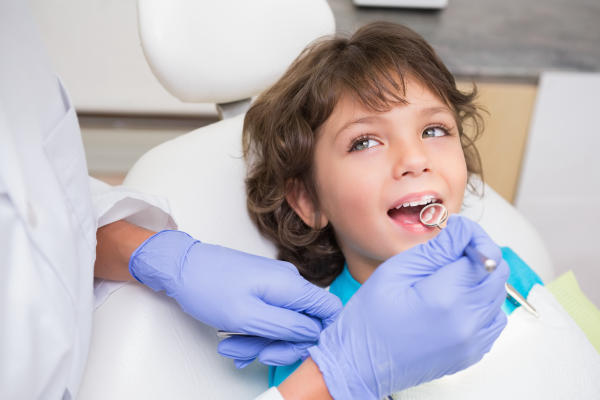
Most people know that gum care for children is essential, but not everyone knows what types of diseases it can help prevent. Gum or periodontal disease is a broad term that refers to health conditions that can affect the gums. Knowing proper gum care helps protect your children because it helps them understand the nature of gum disease and how they can help treat and prevent it. It is also good to understand just how important it is to establish healthy gum care habits early on, so hopefully, your children never have to deal with gum disease.
The types of gum disease
While gum disease is a broad term used to describe a couple of different diseases, there are differences between them, and it can help to know what these are and when treatment is necessary.
Gingivitis
Gingivitis is the mildest form of gum disease and is characterized by inflammation of the gums, starting at the base of the teeth. This can also be accompanied by irritation, redness, and swelling. Though it can be challenging to identify by symptoms alone, as some children may not feel any pain or discomfort right away, it is easily noticeable by the discoloration and the “puffiness” of the gums.
Gingivitis can be fairly easy to treat and manage, usually only requiring a cleaning and an oral antimicrobial rinse. Still, it is a good idea to get a child to the dentist first to make sure the gingivitis has not become a more advanced form of gum disease that requires more extensive treatment.
Periodontal disease
Periodontal disease is the blanket term for progressive gum disease. It refers to moderate and severe forms of gum disease, including but not limited to gum tissue and bone degradation beneath the gum line.
Gum care for children is designed specifically to prevent gum disease from ever reaching this stage. This is why teaching kids about gum health is crucial, starting as early as possible.
Symptoms can start with swelling, irritation, and bleeding and lead to gum tissue loss, which can expose the roots and nerves of the teeth. Once the periodontal disease progresses to the severe stage, it is difficult to treat with standard cleanings and oral hygiene. In some cases, it may even require surgery to repair the damage to the gum tissue and the bone. It is also a good idea to remember that even if the dentist halts the progression of gum disease and fixes the damage, it can return without proper gum care for children.
How to teach kids gum care
If you have trouble knowing what to teach your kids about gum care, consult with your dentist. Good oral hygiene starts at home with a routine that is done every day. If you teach your kids good habits early on, they are more likely to keep them forever.
Request an appointment or call Grand Parkway Pediatric Dental at 832-579-0960 for an appointment in our Richmond office.
Recent Posts
Kids dental crowns can restore children's teeth that have been compromised by damage or decay. These restorations help maintain the appearance and function of primary and permanent teeth, providing essential protection as the child grows up. However, proper care and maintenance are necessary to ensure their longevity and effectiveness, as poor oral hygiene can lead…
Whether your child has a cracked, chipped, or decayed tooth, a kids dental crown can restore it to its original shape. An added benefit of dental crowns is that they can last up to 15 years with proper care. Fortunately, caring for crowns is straightforward, with most patients not needing to change their oral hygiene…
Pediatric dentists recommend kids dental crowns for children’s teeth. Veneers are a cosmetic treatment for adults, while dental crowns serve restorative purposes for both adults and children. Here is a closer look at the differences between these two treatments and why dental crowns are the appropriate choice for kids.Dental crowns and veneers are similar in…